



 18th August 2026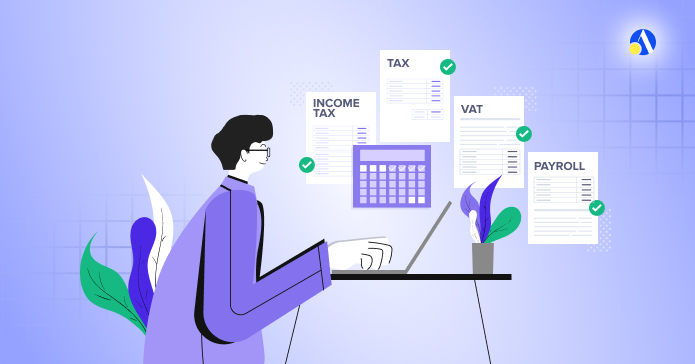
In the 2022-23 tax year, HM Revenue and Customs (HMRC) recovered an additional £34 billion through tax compliance activities. This highlights HMRC's commitment to ensuring everyone pays the correct amount. For business owners, receiving a letter from HMRC means it’s time to address any potential issues promptly.
Getting a notification from HMRC about a compliance check can be unsettling. You might wonder;
- What triggered it,
- what the process involves, and
- What it could mean for your business.
- But what exactly is an HMRC tax compliance check, and how can you prepare for one?
This guide will walk you through everything you need to know. We’ll explain what a compliance check is, what to expect if you’re selected, and how to prepare your records. With the right information, you can navigate the process confidently and focus on what matters most—running your business.
What is an HMRC Tax Compliance Check?
What is an HMRC Compliance Check? Here’s What You Need to Know
Simply put, it’s when HMRC reviews your tax affairs to make sure you’re paying the correct amount of tax. Often referred to as a tax investigation or enquiry, it’s a standard process to ensure everything is accurate and up to date.
Who gets checked?
Well, anyone can—whether you’re an individual taxpayer, a small business, or a large corporation. If HMRC decides to carry out a compliance check, they’ll reach out to you or your accountant directly, usually by phone or in writing. The letter or call will explain exactly what they’re looking to review. Common areas include:
- Self-Assessment tax returns
- Company Tax Returns
- Accounts and tax calculations
- PAYE records (for businesses with employees)
- VAT returns
It’s important to understand that an HMRC compliance check doesn’t mean you’ve done anything wrong. Think of it as a routine check-up for your taxes! The goal is to ensure the integrity of the tax system and that everyone is paying what they owe—no more, no less.
If you’re ever contacted about a compliance check, don’t panic. Stay organised, work with your accountant (if you have one), and provide the requested information promptly. Taking the right steps can make the process smooth and stress-free. This is a great video to give you tips to stay organised with your financial information.
What Triggers a Compliance Check?
What Triggers an HMRC Compliance Check? Here’s What You Need to Know
HMRC uses a powerful AI-driven system called 'Connect' to analyse data from multiple sources and flag potential issues in tax returns. While the exact workings of this system are kept secret, some common red flags could trigger a compliance check. Let’s break them down so you can stay ahead.
Top Reasons You Might Face an HMRC Compliance Check
1. Big Changes in Income
If your income suddenly spikes or drops without a clear explanation compared to previous years, it could raise eyebrows. HMRC looks for patterns, and anything unusual might get flagged.
2. Mistakes or Inconsistencies in Tax Returns
Errors or mismatches—like a discrepancy between your VAT return and your Company Tax Return—can easily draw attention. Double-checking your numbers is always worth it!
3. Late Filings or Payments
Consistently missing deadlines for tax filings or payments might suggest underlying financial issues, leading HMRC to take a closer look.
4. Data From Third Parties
HMRC collects data from banks, employers, and other government agencies. If what they see doesn’t match your reported information, it could trigger a compliance check.
5. Reports From the Public
Believe it or not, HMRC sometimes acts on tips from the public about suspected tax evasion. It’s rare, but it happens.
6. High-Risk Industries
If you operate in an industry that relies heavily on cash transactions (think hospitality or construction), expect closer scrutiny. These sectors are considered higher risk for tax discrepancies.
How to Stay Ahead of HMRC Compliance Checks
So, what’s the secret to staying on HMRC’s good side? The most effective strategy is to ensure your tax returns are always accurate, complete, and submitted on time.
Want to minimise stress and stay ahead of any potential issues? Here’s how:
- Stay organised: Keep meticulous records of all your income and expenses.
- Be thorough: Double-check your returns for any errors or omissions before you file.
- Seek professional help: Working with an accountant can provide peace of mind and ensure everything is in order.
By understanding what triggers a compliance check, you can be proactive in keeping your tax affairs compliant and avoid any unnecessary scrutiny. While HMRC’s systems are advanced, transparency and accuracy remain your strongest defence.
Are Tax Compliance Checks Random?
You've filed your taxes and double-checked everything. So, can you still be picked for a compliance check even if you've done nothing wrong?
The short answer is yes.
While most HMRC compliance checks are triggered by red flags identified by the Connect system, some are entirely random. HMRC carries out a set number of random checks each year across different taxpayers and businesses.
But why would they do this?
These random checks help HMRC ensure widespread tax compliance and catch errors that their targeted systems might overlook. It means that even if your tax records are perfect, there’s still a small chance you could be selected for a review.
The best way to prepare?
Always keep clear, organised, and accurate records. That way, you'll be ready for any questions that come your way, whether the check is targeted or completely random.
How Long Does a Compliance Check Take?
How Long Does an HMRC Compliance Check Take? A Clear Guide
Wondering how long an HMRC compliance check might take? The answer depends on the complexity of your tax affairs and the type of enquiry involved. Here’s a quick breakdown to help you understand what to expect and how to navigate the process efficiently.
The Two Types of HMRC Compliance Checks:
1. Aspect Enquiry
Think of this as a focused review. HMRC will look at a specific part of your tax return—like business expense claims or VAT numbers. These checks are usually straightforward and can often wrap up within a few months.
2. Full Enquiry
This is a deep dive into your entire tax return and supporting documents. It’s more detailed and time-consuming, often taking several months to over a year, especially if the case is complex or there are disagreements to resolve.
What Happens During an HMRC Check?
HMRC may request documents such as receipts, invoices, bank statements, or business records. Acting quickly and providing clear, organised information can help speed things up. If HMRC has to issue formal notices to get the information they need, it will naturally delay the process.
How to Make the Process Smoother
- Keep your records well-organised and easily accessible.
- Respond promptly to any HMRC requests.
- Seek professional advice if you’re unsure about anything—they can help you address queries efficiently.
Why It Matters
HMRC compliance checks are a normal part of ensuring the tax system runs smoothly. By understanding how they work and staying prepared, you can reduce stress and resolve any issues faster.
Bookmark this guide to stay ahead of the game, and make sure your tax affairs are always in order!
What Happens After the Check?
What Happens After HMRC Reviews Your Tax Return? Here's What You Need to Know
If HMRC has reviewed your tax return, you’ll receive the outcome in writing. Here’s what might happen next:
- No Changes: Good news! If HMRC finds everything is accurate, they’ll close the enquiry without making any adjustments. No further action is needed.
- Tax Repayment: Overpaid taxes? HMRC will refund you, often with added interest. It’s always nice to get money back!
- Additional Tax to Pay: If you’ve underpaid, HMRC will request payment of the outstanding amount, usually within 30 days. Keep in mind, interest will likely be charged from the original tax due date.
- Penalties: If the underpayment was due to negligence or errors (whether accidental or deliberate), HMRC may impose a penalty. The amount depends on the nature of the mistake and how cooperative you were during the compliance check.
Disagree with HMRC's Decision? You're Not Stuck
If you don’t agree with the outcome, you have options. You can appeal HMRC’s decision or use Alternative Dispute Resolution (ADR) to help resolve conflicts at any stage of the process.
Stay proactive and informed—understanding these outcomes can help you navigate the process more confidently. Whether it’s good news or a bill to pay, knowing your rights and options ensures you're always prepared!
Stay Prepared and Seek Support
An HMRC compliance check is a serious matter, but it doesn't have to be a catastrophe. The best defence is good preparation. By keeping meticulous records, filing accurate returns on time, and understanding your obligations, you can minimise your risk and be ready for any enquiry.
If you've received a notice from HMRC or are concerned about your tax compliance, don't face it alone. Seeking professional advice from a qualified accountant can provide peace of mind and ensure the process is handled correctly from the start.
Need help with a compliance check or want to ensure your tax affairs are in order? Call us today for expert guidance and support.




 for seamless and stress-free
