



 4th August 2026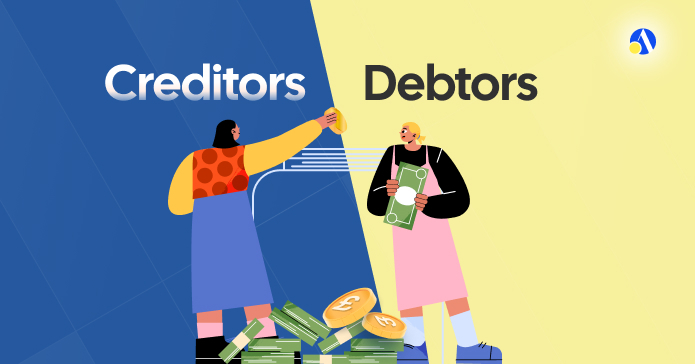
Quick answer: A debtor is someone who owes your business money, recorded as a current asset on your balance sheet. A creditor is someone your business owes money to; recorded as a current liability. Getting these two confused is one of the most common bookkeeping mistakes small business owners make, and it can seriously distort your financial picture.
Key Takeaways
| Term | Simple Definition | Balance Sheet Position | Type |
| Debtor | Someone who owes you money | Current asset | Accounts receivable |
| Creditor | Someone you owe money to | Current liability | Accounts payable |
| Trade debtor | Customer with an unpaid invoice | Asset | Short-term |
| Trade creditor | Supplier you haven't paid yet | Liability | Short-term |
| Loan creditor | Bank or lender you borrowed from | Liability | Short or long-term |
According to Small Business Commissioner, UK businesses are owed an estimated £26 billion in late payments at any given time, according to the Small Business Commissioner, that's an average of £17,000 per affected business. Late. Not lost. Just sitting somewhere in someone else's accounts, unpaid.
That figure exists, in large part, because business owners don't always have a clear picture of who owes them what or what they owe others. And that confusion often starts with two words: debtors and creditors.
If you've ever stared at a balance sheet wondering what debtors mean on a balance sheet, or found yourself unsure whether your supplier is a debtor or a creditor - this guide is for you. No jargon, no fluff. Just clear answers.
Who Are Debtors and Creditors?
Let's settle this once and for all.
A debtor is a person, business, or entity that owes money to your business. They've received your goods or services but haven't paid yet. In accounting terms, debtors meaning is straightforward: money owed to you.
A creditor is a person, business, or entity that your business owes money to. You've received their goods or services or borrowed money from them, and the payment is still outstanding. Creditors meaning, simply: money you owe.
Here's a quick mnemonic if you always mix them up:
- D is for Debtor = Delivers payment to you
- C is for Creditor = Cash goes from you to them
Types of Debtors
- Trade debtors: customers or clients who have received your goods or services but haven't paid their invoice yet. This is the most common type.
- Staff debtors: employees who have been given a company loan and are yet to repay it.
- Other debtors: entities that owe you money outside of normal trading. A pending VAT refund from HMRC, for example, sits here.
Types of Creditors
- Trade creditors: suppliers who have provided goods or services to your business that you haven't yet paid for.
- Loan creditors: banks or financial institutions that have lent your business money. You remain a debtor to them until the loan is fully repaid.
- Other creditors: this can include director loans (common in small limited companies) or any other money owed outside of standard trading.
Most small businesses operate as both simultaneously. You might owe £4,000 to your software supplier (making them your creditor) while waiting on £6,500 from a client (making them your debtor). That balance, managed well, is simply how business works.
What Are Debtors on a Balance Sheet?
This is one of the most searched questions in small business accounting and rightly so, because your balance sheet is where debtors and creditors actually show up and affect your financial position.
Is a Debtor an Asset or a Liability?
Debtors are an asset. Specifically, they appear as a current asset on your balance sheet, typically listed under "accounts receivable." Even though the money hasn't landed in your account yet, the sale has been made. The invoice has been raised. The income is recognised.
That's why debtors on a balance sheet sit alongside your bank balance and stock - they represent money your business is entitled to receive.
What Does Debtors Mean on a Balance Sheet? (With an Example)
Here's a simplified balance sheet to make this concrete:
| Liabilities | Amount | Assets | Amount |
| Equity | £13,000 | Bank | £5,000 |
| Creditors (Accounts Payable) | £2,500 | Debtors (Accounts Receivable) | £7,500 |
| Stock/Inventory | £3,000 | ||
| Total Assets | £15,500 | Total Liabilities | £15,500 |
In this example, the business is owed £7,500 by its debtors; that's a healthy receivables position. It owes £2,500 to its creditors. The balance sheet balances. Simple.
What people sometimes miss is that a bloated debtors figure isn't always a good sign. If your debtors total is high because clients are paying late or not paying at all, you could be sitting on income that never actually arrives. That's a cash flow problem waiting to happen.
What Are Creditors on a Balance Sheet?
If debtors are what you're owed, creditors are what you owe. On your balance sheet, creditors appear on the liabilities side.
What Does Creditors Mean on a Balance Sheet?
Balance sheet creditors are broken into two categories:
- Current liabilities: amounts due within 12 months (trade creditors, short-term loans, VAT owed, PAYE)
- Long-term liabilities: amounts due after 12 months (bank loans, director loans, finance agreements)
Understanding what creditors on a balance sheet are helps you plan cash flow. If you've got £15,000 sitting in current liabilities with only £8,000 in the bank, that's a conversation your accountant needs to be having with you now, not at year-end.
Is a Debtor a Customer?
Usually but not always.
The most common type of debtor your business will deal with is a trade debtor: a customer who has received your product or service and owes you payment. So yes, in most cases, a debtor is a customer.
But debtors can also be:
- HMRC; if they owe you a tax refund or VAT repayment
- Employees; if they've taken a staff loan from the company
- Other businesses; if you've lent them money or they owe you under a separate agreement
The key test is simple: has money been promised to your business that hasn't been received yet? If yes, that party is your debtor.
Creditors vs Debtors: Side-by-Side Comparison
| Debtor | Creditor | |
| Who they are | Owes money to you | You owe money to them |
| Typical example | Customer with unpaid invoice | Supplier you haven't paid |
| Balance sheet side | Asset | Liability |
| Accounting term | Accounts receivable | Accounts payable |
| Cash flow direction | Incoming | Outgoing |
| Risk if unmanaged | Late or bad debt | Fines, damaged relationships |
| Average UK payment term | 30 days (often stretches to 40–45 days) | 30–60 days |
According to a 2025 Coface survey, 90% of UK companies experienced late payments in the past year, with an average payment delay of 32 days. For context, that means most businesses are waiting over a month longer than expected to receive money their debtors owe them.
TL;DR on Creditors vs Debtors
- A debtor owes your business money and sits as a current asset on your balance sheet.
- A creditor is owed money by your business and sits as a current liability.
- Debtors are typically your customers. Creditors are typically your suppliers or lenders.
- Managing both well is fundamental to maintaining healthy cash flow.
- If your debtors list is long and ageing, your cash flow is at risk — even if your accounts look profitable on paper.
How Can Debitam Help?
Keeping your debtors and creditors in order isn't optional; it's the foundation of knowing whether your business is actually viable. If your balance sheet doesn't make sense, or you're unsure how your debtors and creditors are recorded, that's exactly the kind of thing a Debitam accountant will sort out quickly and clearly.
No jargon. No hidden fees. No chasing.
Debitam supports small business owners and limited companies with bookkeeping, year-end accounts, corporation tax returns, and more; all online, all transparent. Rated .
Get in touch with Debitam today and get your books where they need to be.
Frequently Asked Questions
What are debtors on a balance sheet?
Debtors on a balance sheet are the amounts owed to your business by customers or other parties for goods or services already delivered. They appear as a current asset under "accounts receivable." They represent expected income, money your business is entitled to, even if it hasn't arrived yet.
What is debtors in accounting?
In accounting, debtors refers to any individual, business, or entity that owes your company money. Debtors in accounting are recorded in your sales ledger and tracked through your accounts receivable. When a client receives your invoice but hasn't paid it, they become a debtor.
What is the difference between debtors and creditors?
The core difference between debtors and creditors comes down to the direction of payment. Debtors owe money to your business (a current asset). Creditors are owed money by your business (a current liability). Debtors generate incoming cash flow; creditors represent outgoing obligations. Both appear on your balance sheet and directly affect your business's financial health.
What is aged debtors meaning?
An aged debtors report (also called an aged receivables report) categorises your outstanding invoices by how long they've been unpaid. Typically broken down into 0–30 days, 31–60 days, 61–90 days, and 90+ days overdue. It's one of the most practical tools in credit control; it shows you exactly where your cash is tied up and which clients need chasing.
What are current assets debtors?
Current assets debtors refers to the portion of your balance sheet that lists money owed to your business that is expected to be received within 12 months. Trade debtors are the most common entry here. Because the money is expected soon, it's classified as a current (short-term) asset rather than a long-term one.
What is sundry debtors meaning?
Sundry debtors are occasional or miscellaneous debtors, typically customers who rarely buy on credit and in small amounts. Rather than creating individual debtor accounts for each, they're grouped under "sundry debtors" in your accounts. It's a catch-all category for minor, irregular receivables that don't warrant their own ledger entry.
What are trade debtors?
Trade debtors are customers or clients who have received your goods or services on credit and have not yet paid. They're the most common type of debtor in business. When you raise an invoice and the payment is still pending, that customer is a trade debtor. Trade debtors are recorded as current assets and represent income your business expects to collect in the short term.



 for seamless and stress-free
