



 17th September 2026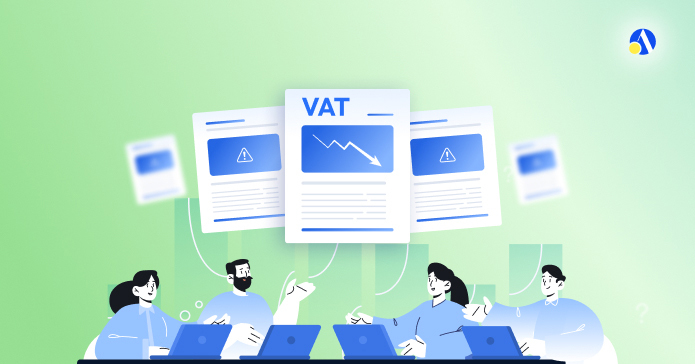
How to Fix It?
Reaching the VAT threshold is a key milestone for any growing business, indicating your turnover has reached £90,000 as of 2024. However, for many small business owners, this achievement can feel more like a setback than a success. If you’ve thought, “Being VAT registered is hurting my business,” you’re not alone. The increased administrative workload and the effect on your pricing can feel overwhelming.
Before making any rash decisions, it's crucial to understand the complete impact of VAT registration. It comes with both benefits and drawbacks. This guide will explain why it can be challenging for small businesses, help you determine if it's the right move for you, and outline steps to take if it's already negatively affecting your business.
The Pros and Cons of VAT Registration
VAT registration isn't inherently bad. In fact, for some businesses, it's beneficial. Let's break down the two sides of the coin.
The Advantages:
- Reclaim VAT: The main advantage is reclaiming the VAT paid on business expenses and purchases (input VAT). This lowers costs and can boost profitability, as business purchases effectively become 20% cheaper.
- Enhanced Reputation: A VAT registration number can enhance your business's image. It often makes you appear more established and credible to potential clients, suppliers, and partners. For business-to-business (B2B) companies, this is a notable advantage, as your VAT-registered customers can reclaim the VAT you charge them
The Disadvantages:
- Administrative Burden: Registering for VAT means you must keep detailed records, submit regular VAT returns to HMRC (usually quarterly), and prepare for potential audits. This additional paperwork can be time-consuming.
- Higher Prices: You must add 20% VAT to your sales. For businesses selling to the public (B2C), this price increase can make you less competitive against non-registered rivals.
- Cash Flow Complications: You are required to pay VAT to HMRC by a specific deadline, -find out 2025/2026 tax year deadlines here- even if your customers haven't paid you yet. This can create cash flow challenges, particularly for businesses with longer payment terms.
Why VAT Registration Can Hurt a Small Business
The feeling that VAT registration is harming your business often stems from a few key pressures that disproportionately affect smaller companies.
- One common challenge arises when serving non-VAT-registered customers, such as the general public. Take a dog groomer, for instance—once they surpass the VAT threshold, they must raise their prices by 20%. This sudden increase can make them significantly more expensive than smaller, home-based competitors who remain below the threshold. As a result, they risk losing loyal customers and struggling to attract new ones, especially in a price-sensitive market.
- Administrative burdens are another significant challenge. Small business owners often juggle multiple roles—CEO, marketer, and bookkeeper. Managing VAT compliance adds more paperwork, leaving less time to focus on growing the business. While accounting software can assist, it’s still an additional task on an already packed schedule.
- The impact on cash flow can also be significant. For instance, imagine you've completed a large project and invoiced your client, including VAT. If that client pays late, you still owe HMRC the VAT by the deadline. This means you might have to pay the tax bill out of your own funds, straining your working capital until the client settles their invoice.
Is VAT Registration Right for Your Business?
VAT registration is mandatory if your taxable turnover exceeds £90,000 in a rolling 12-month period. However, you can register voluntarily even if you're below this threshold. So, how do you decide if voluntary registration is right for your business?
Consider these factors:
- Your Customer Base: Are your primary customers other VAT-registered businesses (B2B) or the general public (B2C)? If you're B2B, your customers can reclaim the VAT you charge, keeping your prices competitive. But if your customers are B2C, you’ll either have to absorb the VAT cost yourself or pass it on, which could make your products or services less attractive.
- Your Expenses: Do you have significant business expenses that include VAT? If you regularly purchase VAT-inclusive goods, equipment, or services, reclaiming input VAT could save you a lot of money—especially when cash flow is tight.
- Your Business Goals: Are you planning to stay small, or do you have dreams of scaling quickly? Staying under the VAT threshold might save you admin in the short term, but it could limit your long-term growth. Voluntarily registering for VAT can signal professionalism and better prepare your business for scaling.
- Your Industry: Consider whether VAT registration is common in your industry. If most of your competitors are VAT-registered, staying under the threshold might make your business seem less established or professional, especially if you're targeting B2B customers.
- Administrative Burden: VAT registration comes with added paperwork and compliance responsibilities. If you're already stretched thin managing your business, consider whether you have the time or resources to handle the additional admin—or if you could hire help.
- Your Pricing Strategy: How much flexibility do you have in your pricing? If raising prices to account for VAT would drive customers away, you may need to think carefully about how VAT registration could affect your profit margins.
- Cash Flow Challenges: VAT registration involves collecting VAT on behalf of the government. For struggling small businesses, this can affect cash flow, as you’ll need to budget carefully to ensure you’re able to pay your VAT bill on time. See the tips from the experts to improve your cash flow here.
Remember, VAT registration isn't just about compliance—it’s about understanding how it fits into your overall business strategy. Take the time to weigh up your options and choose what works best for your unique situation.
For some, staying just under the threshold is a deliberate strategy. This might involve working fewer hours or even turning down work to keep turnover below £90,000. However, this approach can stifle your business's potential and limit your personal income.
Already Registered? Here’s What You Can Do
If you're already VAT registered and feeling the strain, don't despair. There are several strategies and schemes designed by HMRC to ease the burden on small businesses.
Simplify the Process with VAT Schemes
HMRC offers schemes that can simplify VAT accounting and potentially improve your cash flow.
- Flat Rate Scheme: This is for businesses with a turnover of less than £150,000. Instead of calculating output and input VAT, you pay a fixed percentage of your total turnover to HMRC. The percentage varies by industry. This simplifies paperwork, though you can't reclaim VAT on most purchases (except for certain capital assets). Find out more about Flat Rate Scheme here.
- Cash Accounting Scheme: This scheme allows you to account for VAT based on the payments you've actually received, rather than the invoices you've issued. This directly solves the cash flow problem of paying VAT on unpaid invoices. You can use this scheme if your estimated VAT taxable turnover is £1.35 million or less.
- Annual Accounting Scheme: Instead of filing quarterly, you submit just one VAT return per year. You make advance payments towards your VAT bill throughout the year. This reduces administrative work but requires careful budgeting. See our experts` article to help you decide if the VAT Cash Accounting Scheme is right for your business here
Manage Your VAT Costs
It's also worth looking at the mix of products and services you offer, as some goods and services are either VAT-exempt or zero-rated. What’s the difference?
- VAT-exempt items include services like insurance and finance. If you only sell exempt items, you can't register for VAT. If you sell a mix of exempt and standard-rated items, you may fall under partial exemption rules. These can be complex but might reduce your overall VAT bill.
- Zero-rated items include most food, books, and children's clothes. You still have to record and report these sales on your VAT return, but you charge VAT at 0%. This means you can still reclaim the input VAT you pay on your expenses. Focusing on zero-rated products can be a smart way to manage your VAT.
Consider Deregistration
If your taxable turnover drops below the £88,000 deregistration threshold, you can apply to voluntarily deregister from VAT. This may be a suitable option if your business has slowed down or you plan to reduce your turnover intentionally. After deregistering, you won’t need to charge VAT or file VAT returns.
See our blog on how to deregister VAT here
Let Technology Lighten the Load
Are you tired of manually tracking VAT? The right software can automate your financial admin, saving you time and reducing the risk of errors.
Debitam is built for UK small businesses and the self-employed. Our platform simplifies your finances by tracking income, managing invoices, and helping you stay on top of tax obligations.
With our software, you can:
- Monitor turnover to know when you're approaching the VAT threshold.
- Create VAT-compliant invoices effortlessly.
- Maintain accurate digital records for HMRC.
Navigating VAT is a challenge, but with the right strategy and tools, you can manage it effectively. By understanding your options and leveraging technology, you can take control of your finances and focus on running your business.



 for seamless and stress-free
