

As a business owner, you’re likely familiar with navigating various taxes, from Corporation Tax to VAT. But have you considered how waste disposal impacts your bottom line? UK Landfill Tax is a significant environmental tax that directly affects businesses, and recent proposals for a Reeves landfill tax rise could have major financial implications. Since its introduction, the tax has generated billions in 2025-26 alone; it's expected to raise £0.5 billion.
Understanding how this tax works is crucial for managing costs and making sustainable choices. This guide breaks down what Landfill Tax is, who pays it, and what the future may hold for your business.
What is Landfill Tax?
What is Landfill Tax and Why Does It Matter?
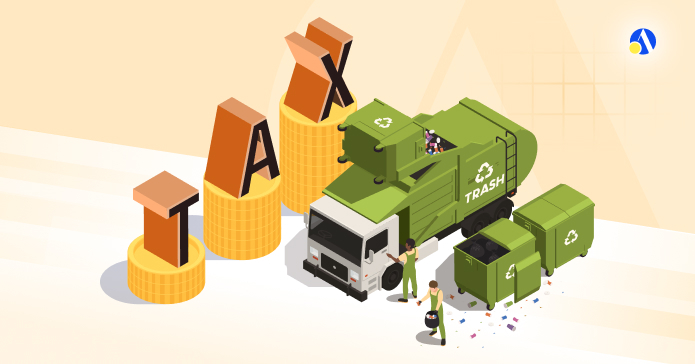
Landfill Tax is a government charge introduced on October 1, 1996, aimed at reducing the amount of waste sent to licensed landfill sites.
The goal? To encourage businesses and local authorities to think smarter about waste by opting for sustainable alternatives like recycling, composting, or recovery.
Here’s how it works: the tax is calculated by weight and split into two rates. The lower rate applies to inert materials (like rocks, soil, or certain construction waste), while the standard rate covers all other types of waste.
The Backlash Against Landfill Tax Reforms
Recent government proposals have caused a stir among UK businesses, particularly in the construction and housebuilding sectors. The proposed changes aim to simplify the system by moving towards a single standard rate for all waste by 2030.
However, critics warn this could lead to a cost increase of as much as 3,100% for businesses that dispose of lower-rated materials like soil and rubble. The backlash from over 60 industry figures has been so strong that the Treasury is reportedly open to "fresh evidence" on the economic consequences, potentially delaying the reforms. For businesses, this Reeves landfill tax rise could significantly inflate project costs, affecting everything from small construction jobs to major infrastructure projects like the Lower Thames Crossing.
How much is Landfill Tax in 2025?
For businesses, planning for future expenses is key. The UK government updates Landfill Tax rates annually, with changes typically taking effect from 1 April.
As of April 2025, the rates are set as follows:
- Standard Rate: £126.15 per tonne. This applies to most types of waste, such as household rubbish, plastics, and metals.
- Lower Rate: £4.05 per tonne. This is for "inactive" or inert waste, which includes materials like soil, rocks, concrete, and bricks that do not decompose or react.
It's important to note that these rates are scheduled to increase. From 1 April 2026, the standard rate will rise to £130.75 per tonne, and the lower rate will more than double to £8.65 per tonne. This steady increase reflects the government's long-term strategy to make landfill disposal a less attractive option.
Who has to pay Landfill Tax?
Who Pays Landfill Tax? Here's What Your Business Needs to Know
Landfill site operators are responsible for paying Landfill Tax to HM Revenue and Customs (HMRC). However, they don’t absorb this cost themselves; instead, they pass it on to businesses and local councils as "gate fees." While your business isn’t directly paying Landfill Tax to HMRC, it still forms a significant part of your waste disposal expenses.
Why does this matter?
Because Landfill Tax is designed to encourage businesses to rethink how they handle waste. The more waste you send to landfill, the higher your disposal costs—and the more “hidden” tax you’re paying. On the flip side, by recycling, reusing, or recovering materials, you can reduce both your waste and your overall costs.
Looking to save money and cut down on waste?
Start exploring sustainable waste management strategies today. It’s good for your budget—and even better for the planet.
How Much Are Landfill Gate Fees in the UK?
Landfill gate fees in the UK can be a costly part of waste disposal, and understanding them is key to managing expenses effectively. These fees, charged by landfill operators, aren’t fixed; they vary depending on several factors:
What Influences Landfill Gate Fees?
- Location: Fees tend to be higher in densely populated areas compared to rural sites.
- Type of Waste: Standard rate waste (e.g., general waste) costs significantly more to dispose of than lower rate waste like inert materials.
- Landfill Tax Rates: A major part of the fee is the Landfill Tax, which is set to rise to £126.15 per tonne from April 2025. Higher taxes mean higher gate fees.
- Competition: Regions with fewer landfill sites or fewer alternative disposal facilities often see increased fees due to limited options.
What Does a Gate Fee Include?
The gate fee represents the total cost per tonne to dispose of waste. This includes the Landfill Tax, operational costs, and the landfill operator’s profit margin. For standard rate waste, these costs quickly add up, making landfill disposal one of the more expensive waste management options.
Why Should Businesses Care?
For industries like construction, landfill gate fees can have a big impact on budgets. That’s why effective waste segregation is critical. By separating materials on-site, businesses can:
- Lower disposal costs by qualifying more waste for the lower rate.
- Divert materials from landfill entirely, saving money and reducing environmental impact. This helps businesses stay sustainable, efficient, and cost-savvy by understanding the true cost of landfill.
Is the Landfill Tax Really Working? Here’s What You Need to Know
The Landfill Tax has been a hot topic ever since it was introduced. But is it actually making a difference? Well, it depends on how you measure success.
The Environmental Wins
From an environmental perspective, the Landfill Tax has been a game-changer. By making landfill disposal more expensive, it’s pushed businesses and councils to explore greener alternatives like recycling and energy-from-waste (EfW) incineration. The result? A significant drop in landfill use and a big step towards more sustainable waste management.
The Challenges Behind the Scenes
However, it’s not all smooth sailing. The rising cost of landfill has unintentionally fueled a rise in waste crime, including illegal fly-tipping and the misclassification of waste to dodge higher tax rates. To combat this, the government has ramped up funding for the Environment Agency and HMRC, even holding illegal waste operators accountable for Landfill Tax. While these measures aim to curb the issue, it’s clear that the fight against waste crime is far from over.
The Business Dilemma
For businesses, particularly in industries like construction, the Landfill Tax is a double-edged sword. On the one hand, it encourages sustainable practices. On the other hand, it adds a hefty cost burden. With the proposed Reeves landfill tax increase and the shift to a single rate, many businesses are worried about the financial strain this could bring. While the environmental benefits are noteworthy, the economic impact on businesses cannot be ignored.
The Bottom Line
The Landfill Tax has undoubtedly driven positive change for the environment, but it’s also brought along its fair share of challenges. Whether it’s waste crime or financial pressures on businesses, the tax’s success comes with complexities. As discussions continue around its future, one thing is clear: balancing environmental progress with economic realities will be key.
Planning for the Future
Relying on landfill is costly and unsustainable. Small businesses that embrace recycling, waste reduction, and reuse now will save money and stay ahead of future regulations. Make waste management a core part of your strategy to thrive financially and environmentally.
Rising taxes and increasing financial obligations can be daunting for small business owners, but proactive management is the key to staying ahead. With Debitam, you can simplify your tax processes, ensure compliance with current regulations, and uncover opportunities to minimize your tax obligations. Don't wait—secure your business’s financial future by leveraging expert tax support and guidance. Explore tailored solutions with Debitam and stay ahead in a constantly changing tax landscape. Get started with Debitam today!