



 10th September 2026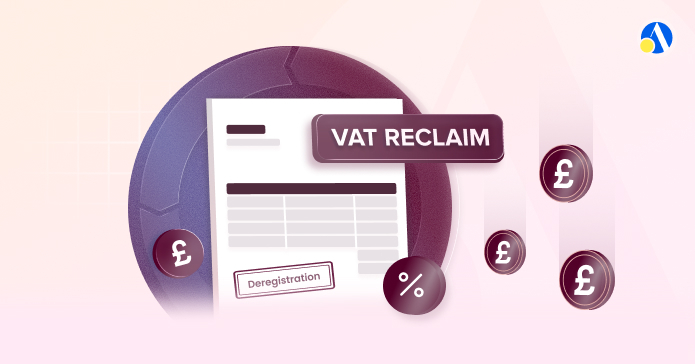
Closing down a business or deregistering for VAT is stressful enough without worrying about leaving money on the table. You’ve likely dealt with the final return, sold off the assets, and you’re ready to move on. But here is a lesser-known fact that catches many business owners out: HMRC doesn't automatically refund VAT on expenses that come in after you’ve deregistered.
Whatever the reason for cancelling your registration—whether you’ve fallen below the threshold, you’re retiring, or you’re simply closing up shop the "taxman" allows you to reclaim VAT on certain business expenses incurred even after your official deregistration date.
It isn’t automatic, though. You have to ask for it.
If you’ve just received a final bill from your accountant or solicitor, or you’ve found an old invoice you forgot to process, don't panic. You aren't out of pocket yet. Here is exactly how to use Form VAT 427 to get your money back.
What is VAT 427?
Put simply, VAT 427 is the specific form used by solvent businesses to reclaim VAT (Input Tax) or claim bad debt relief after their VAT registration has been cancelled.
Think of it as the "sweeper" form. When you file your final VAT return, you account for everything up to that specific date. However, real life rarely fits neatly into tax quarters. You might receive an invoice two months later for work done while you were still trading (like legal fees or accountancy costs for closing the business).
Since you no longer have a VAT number or a portal login to submit a standard return, you can't claim this back the "normal" way. That is where VAT 427 comes in. It acts as a manual claim to tell HMRC, "Hey, I paid this VAT for my business, and I’m entitled to it back."
When do you use it?
You use VAT 427 for:
- Services supplied to you after cancellation (e.g., accountancy fees for your final accounts).
- Goods or services supplied while you were registered but for which you didn't have the invoice in time for your final return.
- Bad debt relief regarding supplies you made while registered, where the customer has defaulted after you deregistered.
What is the difference between VAT 426 and VAT 427?
If you start Googling this topic, you will inevitably run into Form VAT 426. It is crucial you do not mix these up, or your claim will be rejected immediately.
The difference comes down to the financial health of the business: Solvency vs. Insolvency.
| Feature | VAT 427 | VAT 426 |
| Who is it for? | Solvent Businesses | Insolvent Businesses |
| User | Business owners, Partners, Directors | Insolvency Practitioners (Liquidators, Administrators, Trustees) |
| Purpose | Reclaiming input tax after voluntary or compulsory deregistration (where the business is not bust). | Reclaiming input tax during bankruptcy, liquidation, or administration. |
| Submission | Post to HMRC VAT 427 Team (Liverpool) | Post to HMRC Debt Management (EIS NCL) |
The takeaway: If you are closing your business voluntarily or simply deregistering because your turnover has dropped, you need VAT 427.
What is VAT 426?
Just to clarify so you can rule it out: VAT 426 is strictly for insolvency procedures.
This form is used by an "Insolvency Practitioner"—that is the official liquidator, administrator, or trustee in bankruptcy. If your business has gone bust and is being wound up by a third-party professional to pay off creditors, they will use VAT 426 to reclaim any VAT to add to the pot of assets.
If you are a director managing your own deregistration and the business is solvent, ignore VAT 426. It does not apply to you.
How much time do I have to claim VAT after deregistering?
HMRC has strict "capping" rules. Just because you have deregistered doesn't mean you have forever to find old receipts. The clock is ticking, and it usually starts from the date the expense was incurred, not the date you deregistered.
Here are the specific deadlines you need to know:
1. For Goods and Services (Input Tax)
The standard time limit is 4 years from the date the VAT was incurred.
- Services: You can claim VAT on services (like legal or professional advice) supplied after your deregistration, provided they relate to the taxable activities of the business while it was running.
- Goods: This is trickier. You generally cannot claim for goods bought after deregistration. However, if you bought goods while you were registered but missed the invoice on your final return, you can claim these via VAT 427, provided it’s within the 4-year window.
2. For Bad Debt Relief
The time limit here is slightly longer: 4 years and 6 months.
If you issued an invoice while you were registered, paid the VAT to HMRC, and then the customer never paid you (and you have written it off in your accounts), you can reclaim that VAT. The clock starts from the date the relief became claimable (usually 6 months after the payment was due).
How do I claim back VAT after cancelling my registration?
Since you can no longer log into your online VAT account to do this, the process is a bit "old school." You cannot submit this purely digitally; it requires a physical signature and original evidence.
Here is the step-by-step process:
Step 1: Gather your evidence
You cannot just put figures in a box. HMRC requires proof. You must have the original invoices for every penny you are claiming. This bit can be a little complicated if you are not sure what tax year your evidence belongs to, or what would be nature of the financial information you are going to provide it with. Therefore, we strongly recommend you to work with a professional.
- Tip: If you are claiming professional fees (accountants/solicitors), ensure the invoice is addressed to the business, not you personally, and clearly shows the VAT amount.
Step 2: Fill in the form online
Go to the UK Government website and find the VAT 427 form. You fill it in on-screen. You will need:
Step 3: Print and Sign
You cannot save the form halfway through, so do it in one sitting. Once completed, print it out. You must sign the declaration on Page 2. HMRC will reject unsigned forms.
Step 4: Post it to HMRC
You need to send the completed form and your original invoices to HMRC.
Send it to:
HM Revenue & Customs
Accounting Adjustments
VAT 427 Team
3rd Floor South
Queens Dock
Liverpool
L74 4AA
Important: Keep copies of your invoices! While HMRC says they return original documents, things do get lost in the post. Never send your only copy without a backup.
How long does it take?
HMRC aims to process these claims within 30 working days (about 6 weeks). If they approve it, the money will be paid directly into the bank account you listed on the form.
Key Takeaways
- You are not done yet: Deregistering for VAT doesn't mean you forfeit VAT on late invoices or final bills.
- Use Form VAT 427: This is the correct form for solvent businesses to reclaim Input Tax after cancellation.
- Ignore VAT 426: That form is only for insolvent businesses (liquidations/bankruptcies).
- Watch the clock: You have 4 years to claim for goods/services and 4 years 6 months for bad debts.
- Originals only: You must post original invoices with the form. Copies are usually rejected.
- Services post-cancellation: You can claim for things like final accountancy fees, even if the invoice is dated after you closed, as long as the work relates to the time you were trading.
Conclusion
Don’t leave your hard-earned money behind when closing your business! If you’ve paid VAT on final expenses, that money is YOURS-not HMRC’s.
Sure, completing a VAT 427 form might feel like a hassle when all you want is to move on. But think about this: if you’ve got a £2,000 accountancy bill for final cessation accounts, that’s £400 of VAT sitting there, waiting to be reclaimed. Are you really going to leave that behind?
Here’s the game-changer: work with an accountant. They’ll handle the paperwork, reduce stress, and make sure you don’t miss a single penny that's owed to you. A professional not only saves you time but ensures everything is done right, giving you peace of mind when you need it most.
Stop worrying, start reclaiming. Gather those invoices, let an expert take the reins, and ensure every last pound lands back in your pocket where it belongs! Don’t let your money slip away-act now!





 for seamless and stress-free
